AN ECOLOGICAL CHOICE

The wooden shutter has accompanied us for many eras and during its life also requires some maintenance, but today this commitment has greatly decreased thanks to new gluing systems and especially new long-lasting coating systems. In return, the wooden shutter provides thermal insulation that has no comparison with other materials. If we want to protect our rooms from the sun and ventilate the house, relying on a metal shutter could be counterproductive because the metal heats up and produces a heating effect.

The ecological sense is increasingly present in new generations who can appreciate a product not only because it must necessarily have a very long life but also because it strongly fights against pollution.
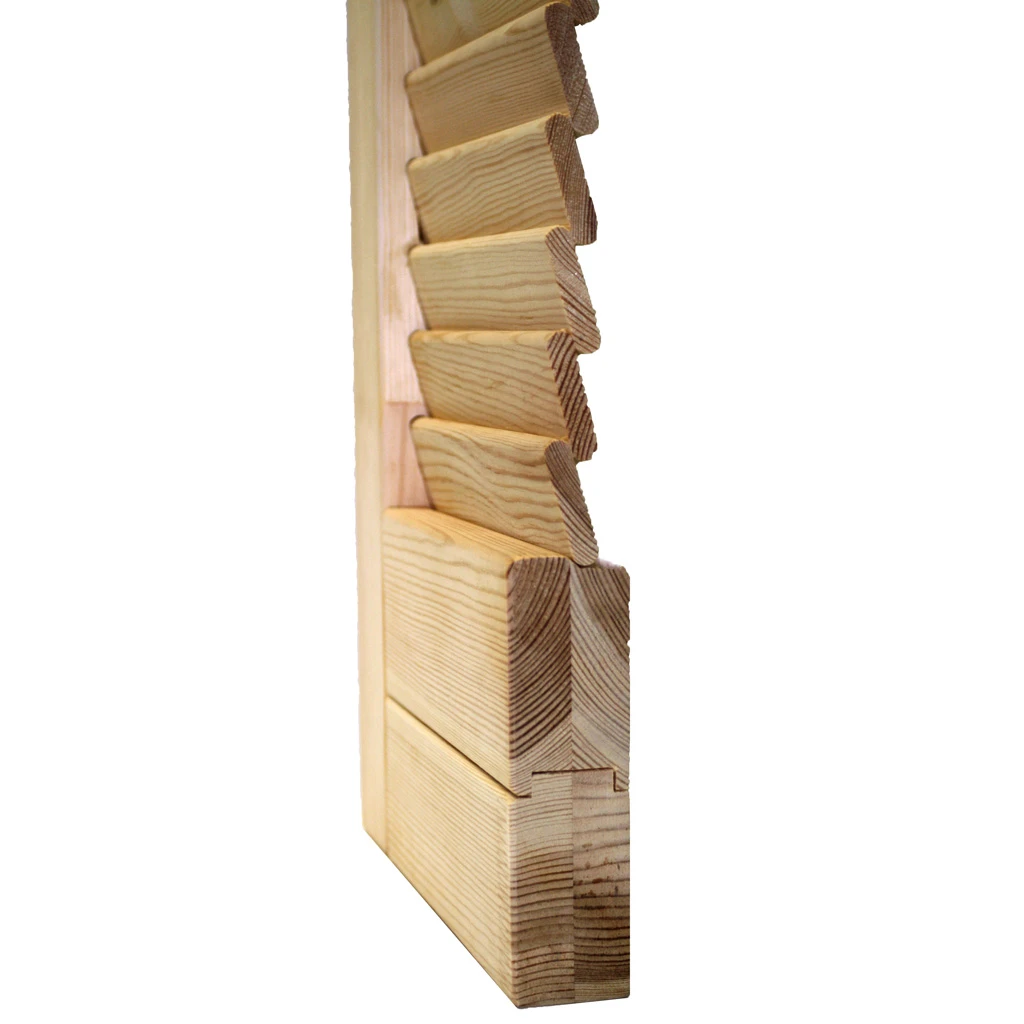
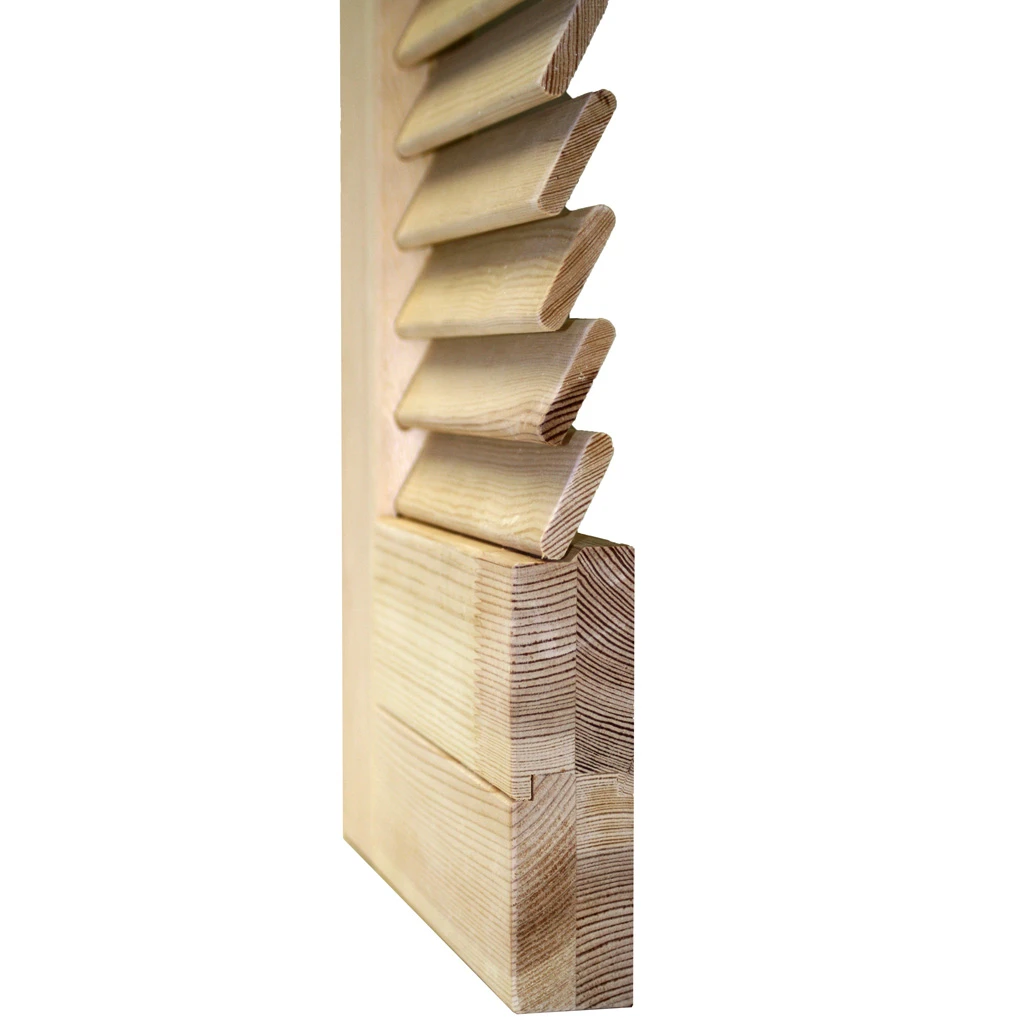
THE ADVANTAGE OF A WOODEN SHUTTER LIES IN THERMAL INSULATION AND ECOLOGICAL SENSE


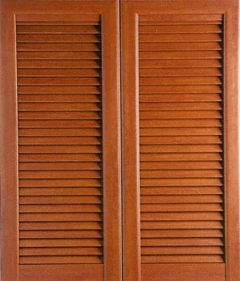
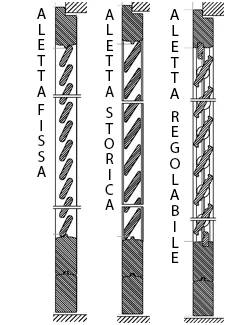
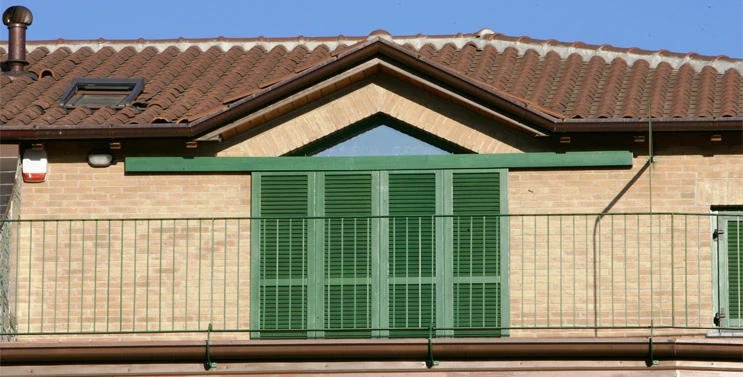
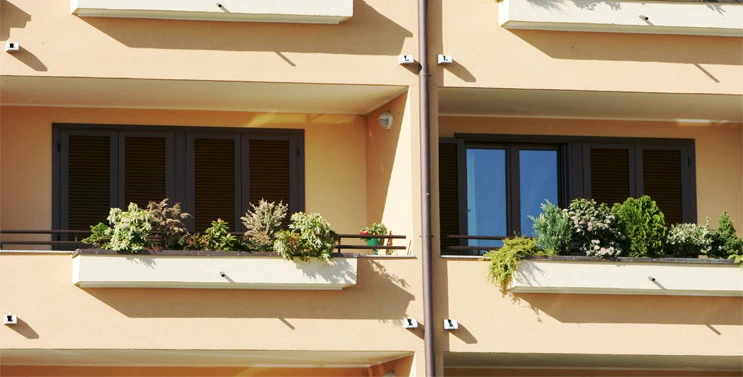
All our shutters can be made with traditional open slats, historic style (with reference to the shapes and proportions of historic buildings) and with adjustable louvers: the beauty of the shutter, combined with the simplicity of cleaning and maintenance.

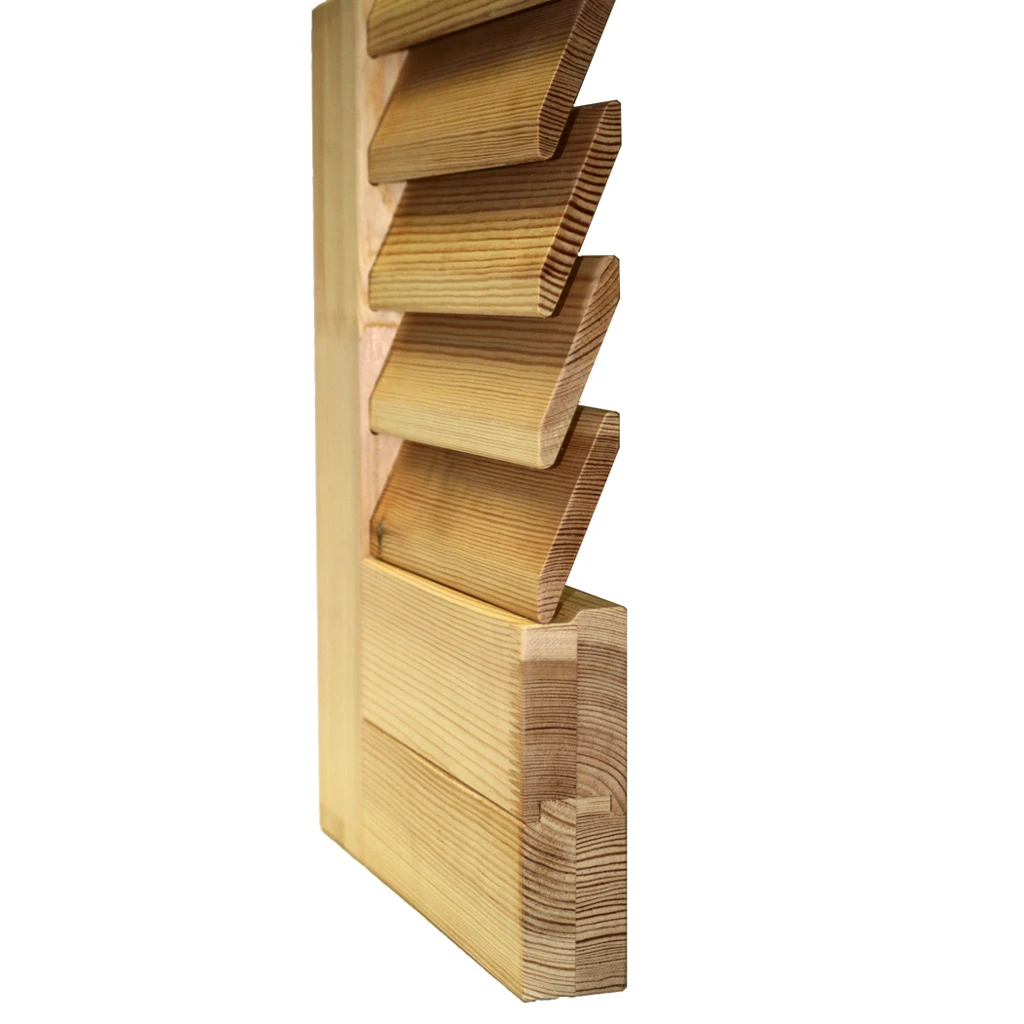
With fixed closed and open louvers

for excellent darkening and air and water protection.

With fixed historic-style louvers

slats with enlarged profile that recall the mouldings of shutters used in historic buildings.

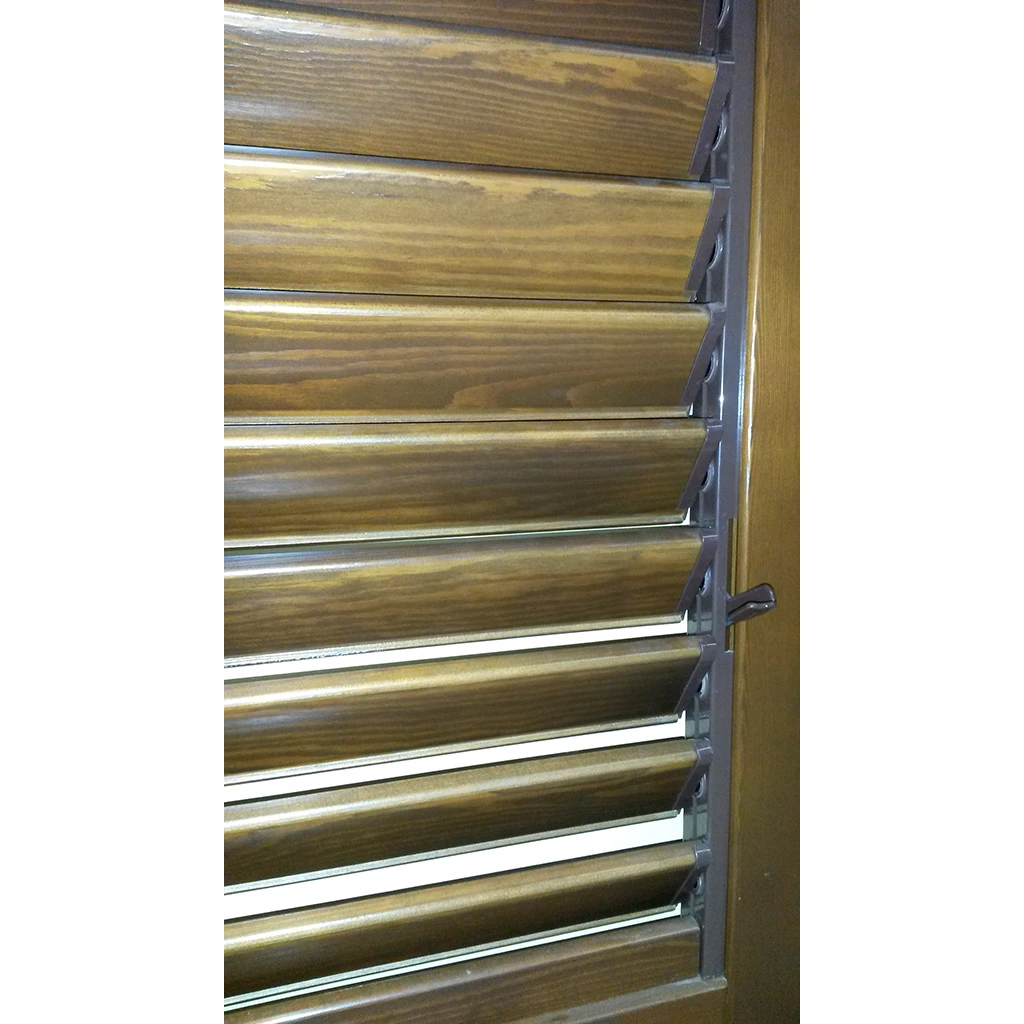
With adjustable louvers

solution that combines the aesthetics of the shutter with practicality in cleaning and maintenance, thanks to the movable slats.

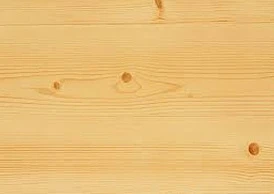
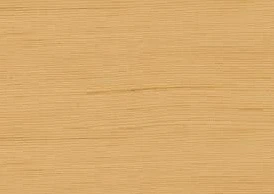
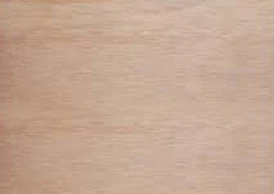
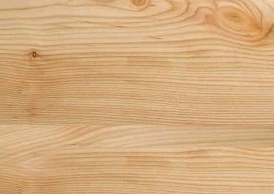
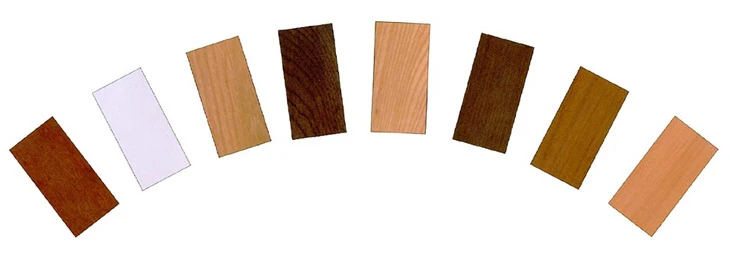
There are many wood species available, but let's look at some examples: Pine, Douglas Fir, Okoumé, Larch, Oak

Pine

Pine is the most widely used wood for wooden frames. Despite being the most economical, it has excellent insulation and stability characteristics. It is also recommended because, coming from controlled and extensive plantations, it makes a great ecological contribution to planet Earth.


Douglas Fir

Douglas Fir belongs to the same family as pine - softwoods that are therefore excellent insulators. Its fine, reddish and compact grain was fascinating for a long period in the past. Today this characteristic is less appreciated and the increased cost at origin has made its use less frequent.


Okoumé

Okoumé is light and pinkish mahogany-like, meaning similar to mahogany and therefore aesthetically appreciated. It lends itself well to various colorations. Of African origin without replanting, using this material goes against good ecological sense.


Larch

Excellent strength, durability and insulation, but stability is at risk, so this material is strongly recommended in the Laminated type.


Oak

Oak has always been considered one of the best materials for frames thanks to its noble appearance, great strength and durability. It is a prestigious and expensive wood, very often used in furniture as well. However, being a hardwood, unfortunately in terms of thermal insulation it has inferior characteristics compared to softwoods.

Our frames are made with quality wood and can be manufactured in Solid Wood, Finger Joint and Full-Length Laminated.

Solid Wood

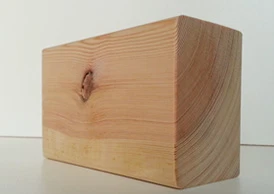
Solid wood refers to when the material is used in its massive form, just as the tree produces it.


Finger Joint

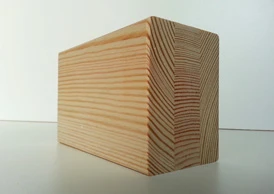
Very widespread lately because it allows excellent mechanical performance at a contained cost. The material is composed of three layers glued in a sandwich and each layer in turn is composed of many pieces joined together in the typical gluing shape that gives it its name (joined like the fingers of two hands coming together), allowing optimization by choosing the aesthetically best parts to leave visible and generating as little waste as possible.


Full-Length Laminated

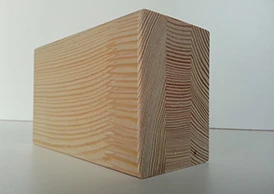
Three-layer type where the selection allows for very beautiful visible facades. A stable and robust structure that obviously implies an increase in the material price.

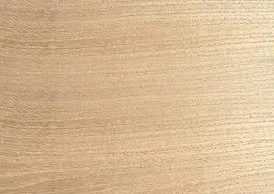
Visible grain, Solid color lacquer. The wood grain is always pleasant both when it shows through under a tinting of your chosen color, and when it is covered by lacquer because it still remains pleasant to the reflection and touch.